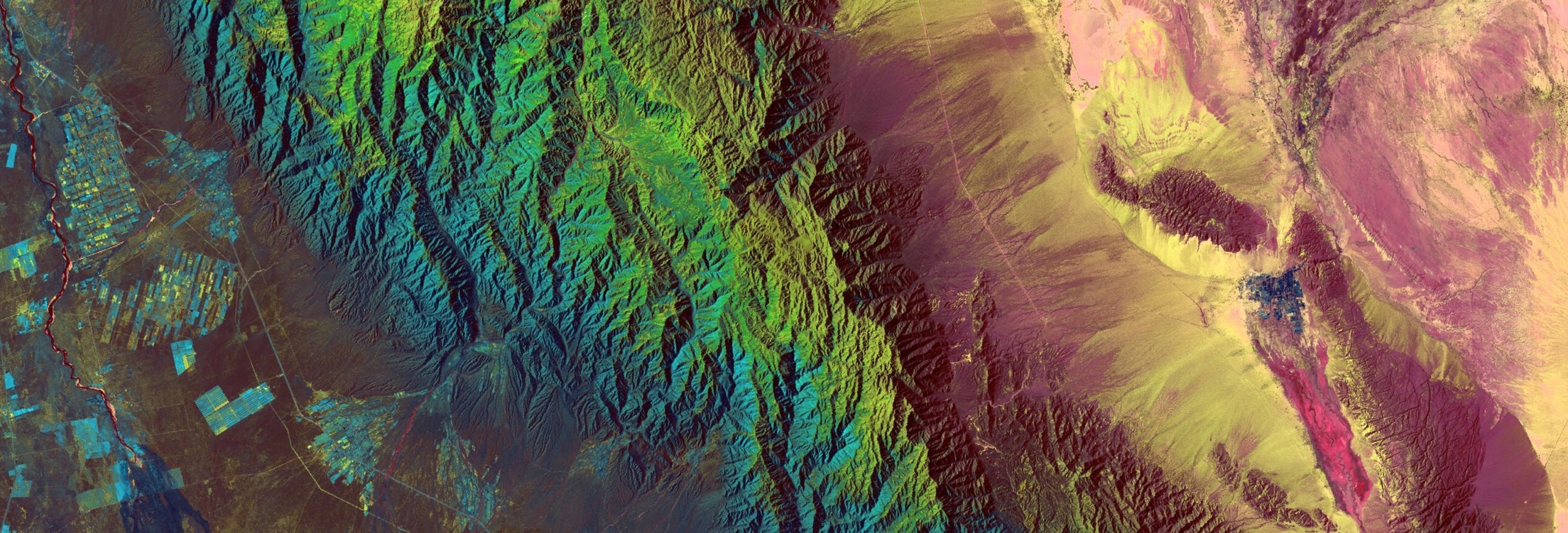
From a large monitoring area to a reviewable plume.
Clarity Plume brings acquisition planning, spectral detection, site context, and repeatable reporting into one solution.
Detect supported gases
Screen imagery for candidate plume signatures and quantify the output where the sensor and conditions support it.
Locate and contextualize sources
Place the plume against facilities, pipelines, corridors, and prior observations to support investigation.
Monitor and report consistently
Repeat an approved workflow as new observations arrive and keep the provenance needed for technical review.
Build monitoring around the source, sensor, and response.
Choose a workable source mix
Match satellite, airborne, drone, fixed-monitoring, or owned data to the gas, geography, revisit need, and operating budget.
Detect and review plume signals
Use spectral analysis to find supported gases, map plume extent, and preserve the evidence and confidence behind each candidate detection.
Repeat the approved workflow
Apply the same thresholds, methods, and review rules as new data arrives, then export outputs for operations, response, or compliance review.
See where the plume is—and what supports the detection.
Review plume extent and supported quantification in operational context, with source imagery, facility baselines, methods, and confidence available alongside the result.
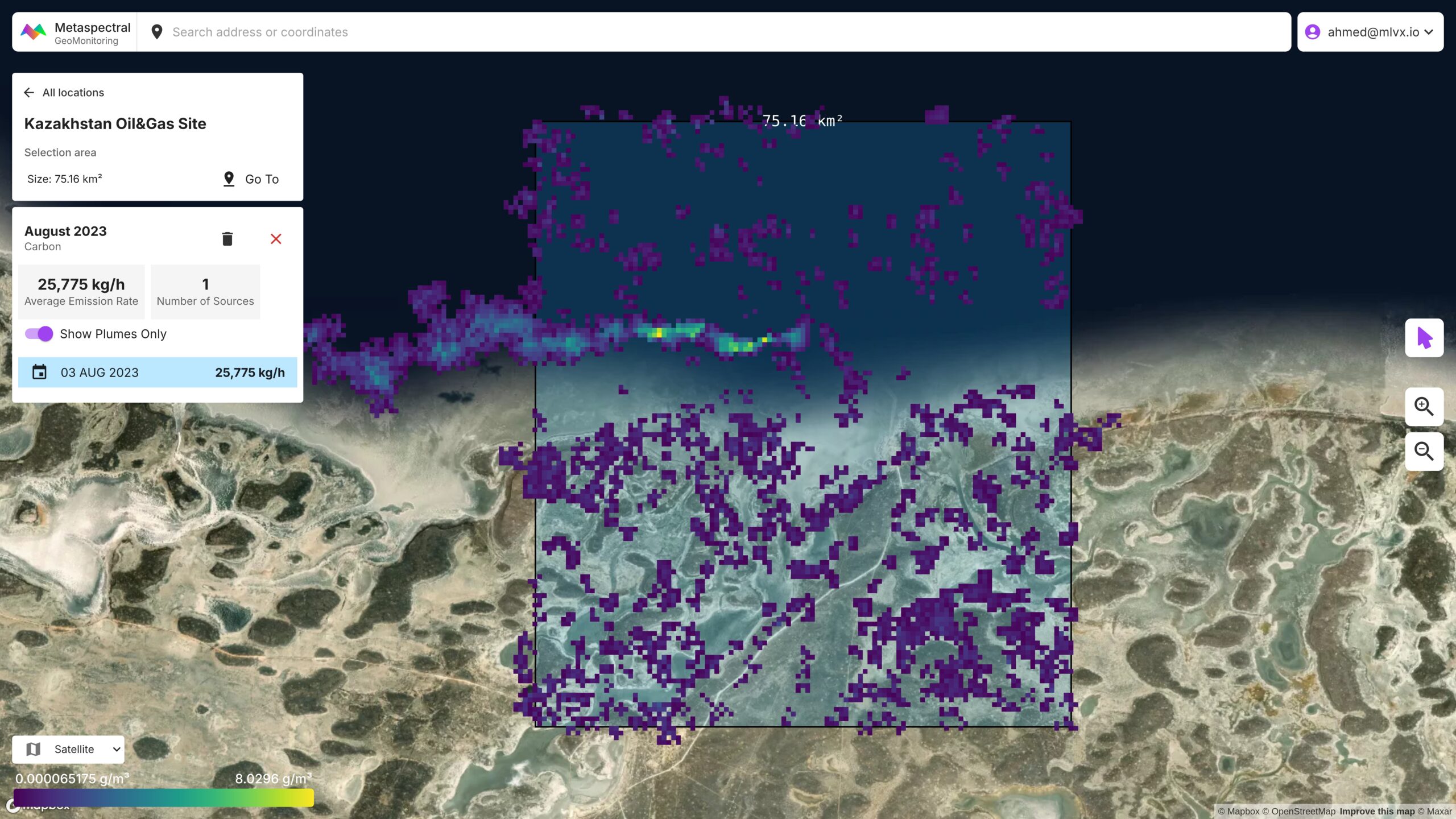
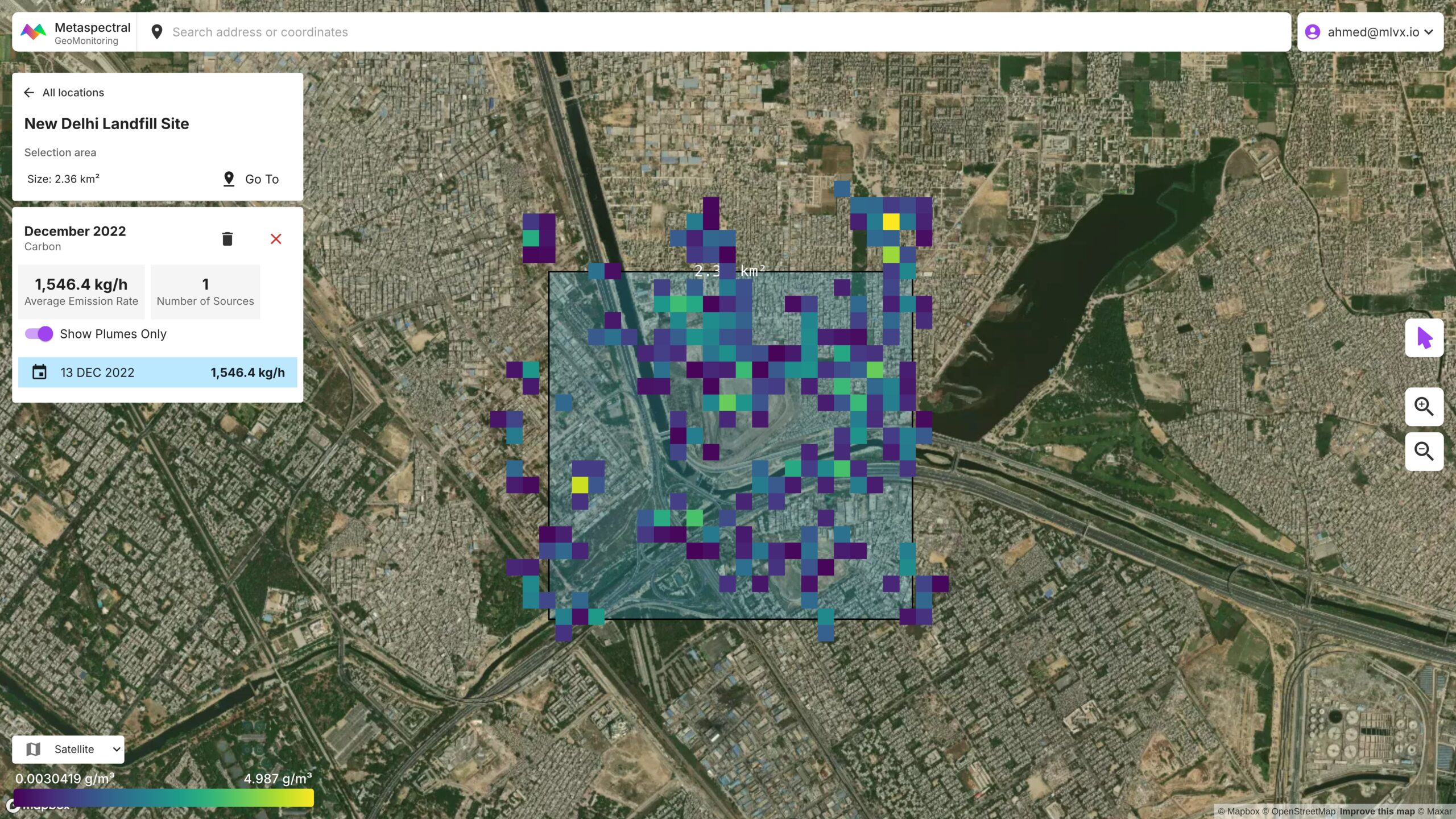
A georeferenced plume overlay with spectral evidence, quantified output where supported, provenance, and a concise report for operations, response, or compliance review.
Discuss an Emissions Use CaseBuild a monitoring workflow that can be repeated.
Define the monitoring decision, establish a realistic source cadence, and validate the detection and review process.
Define Infrastructure
Identify the pipeline, facility, or geographic zone requiring emissions monitoring.
Define Source Mix
Define the source mix in scope, whether fixed sensors, aerial collection, or recurring orbital coverage.
Configure Detection Workflow
Deploy detection thresholds, review rules, and escalation logic matched to the monitoring workflow.
Questions teams ask before getting started
What data sources can Clarity Plume support?
Scope is defined around hyperspectral satellite, airborne, drone, fixed-monitoring, and customer-provided data sources, including familiar sensors such as PRISMA, EnMAP, and EMIT where relevant.
What does a monitoring project deliver?
A plume overlay, supporting evidence, quantified output where supported, review notes, and a recommendation for continued monitoring or response.
Can Clarity Plume fit into our current reporting workflow?
Yes. Clarity Plume can be configured around the operational and reporting workflow your team already needs to support.