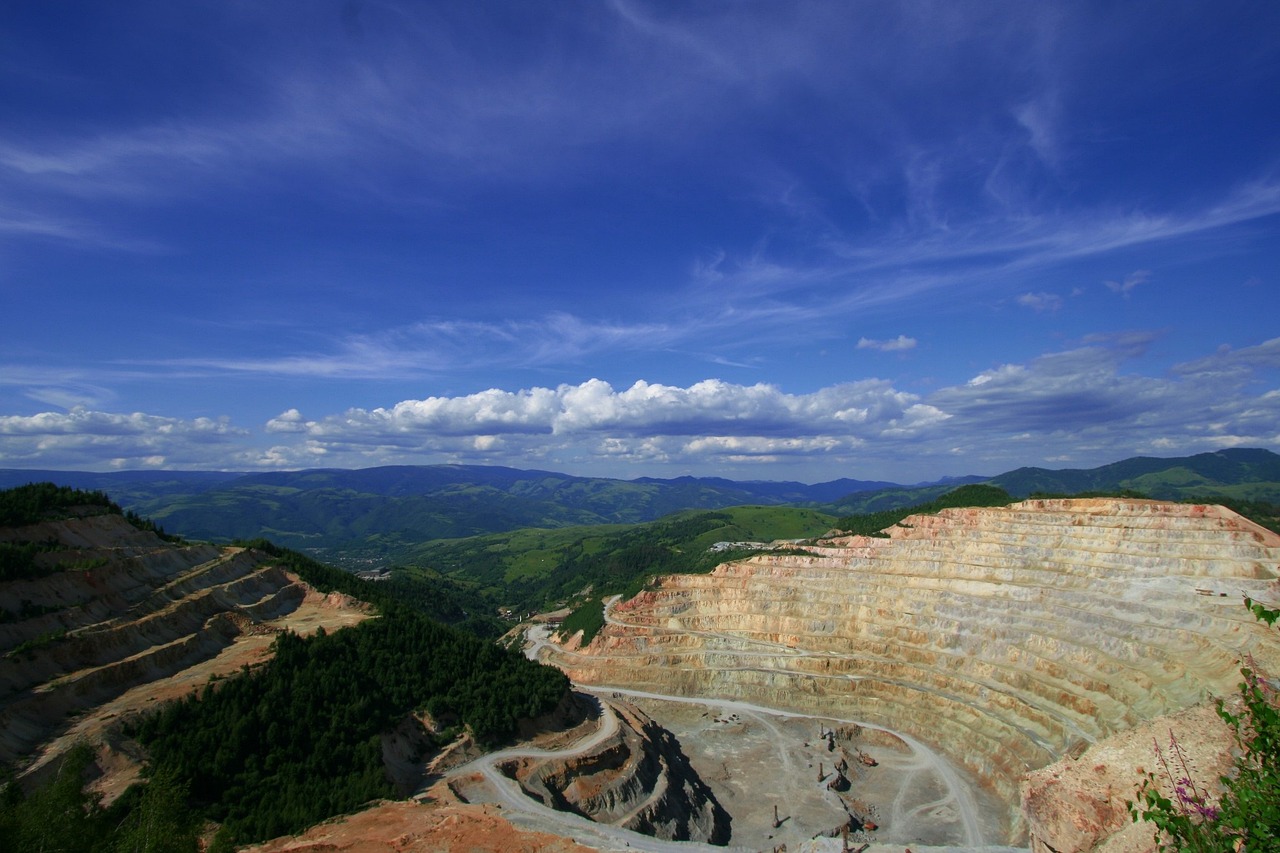
Move from a large area to better-supported targets.
Clarity AI handles the data, analysis, and review path around the exploration decision—not just the production of another spectral layer.
Prioritize ground faster
Surface mineral systems, alteration patterns, and subtle anomalies across the area of interest.
See why a target was flagged
Review the supporting signatures, source imagery, methods, confidence, and intermediate outputs behind each result.
Use the right available imagery
Assess sensor fit, source suitable data, and adapt the analysis across satellite, airborne, drone, or owned imagery.
From an exploration question to ranked targets.
1Start with viable data
Clarity AI helps assess spectral coverage, spatial resolution, timing, quality, and cost before analysis begins—and can work with data you already own.
2Combine proven and learned methods
Run indices, library matching, classical analysis, patented spectral unmixing, and trained models within one scientifically defined workflow.
3Keep geologists in the review loop
Clarity AI can build the workflow with your science team or ours, then preserve the assumptions, evidence, and review path behind the result.
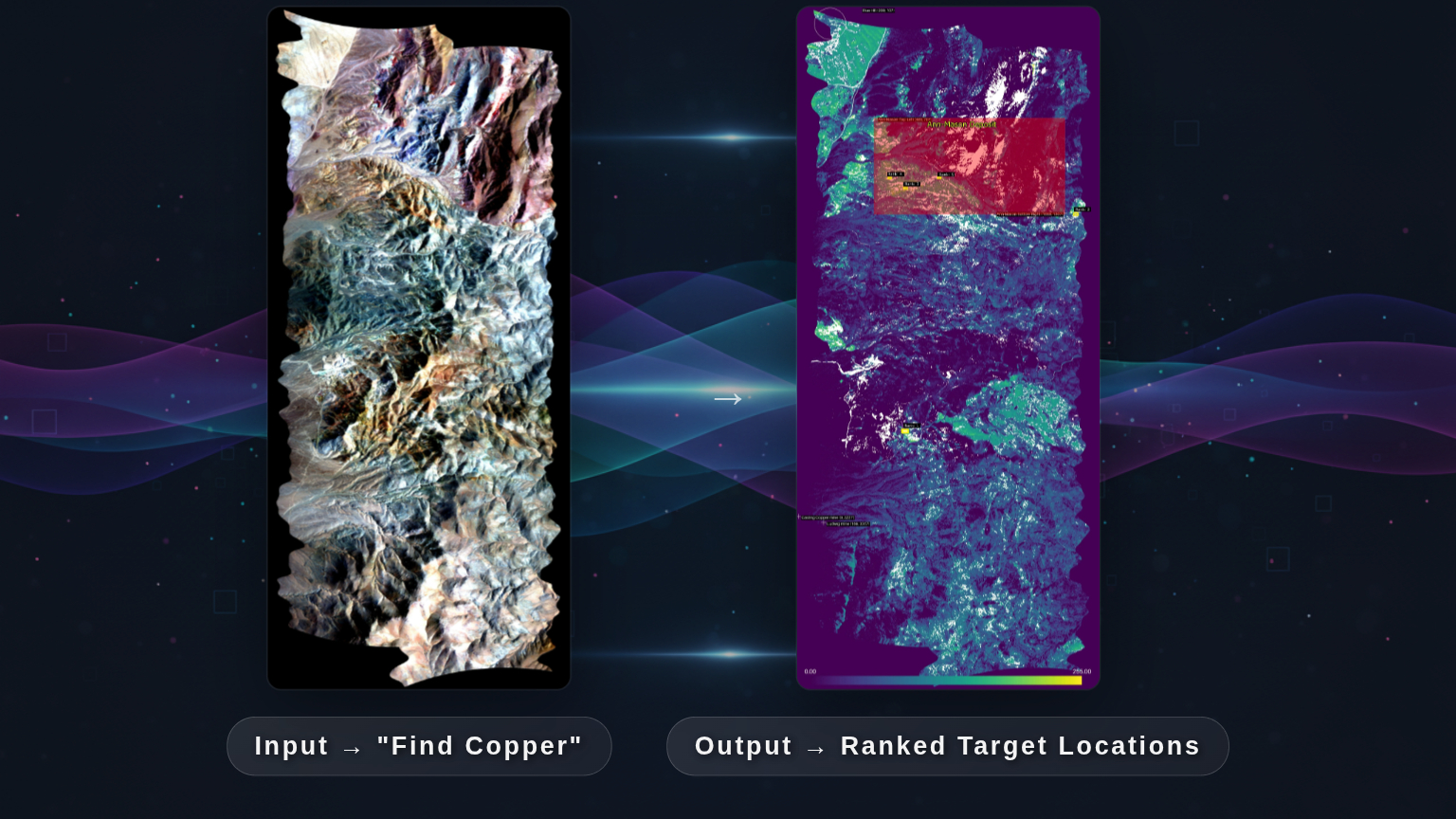
A target-prioritization map or mineral and alteration layer, with anomaly zones, supporting signatures, provenance, and an analyst-ready summary tied to the exploration objective.
Discuss a Mineral Mapping ProjectBuild the right exploration workflow.
Begin with the decision, choose data that can answer it, and validate the result with the right scientific review.
1. Define the Question
Define the mineral system, area, prior evidence, and field or drilling decision the analysis needs to support.
2. Select the Data
Evaluate existing imagery or source suitable coverage based on sensor fit, quality, timing, and budget.
3. Build and Validate
Run the approved methods, compare targets with known evidence, and deliver ranked outputs for geological review.
Questions teams ask before getting started
Can Clarity AI help us choose or source imagery?
Yes. We assess whether satellite, airborne, drone, or imagery you already own has the spectral coverage, spatial resolution, quality, and timing required for the exploration question.
What does a mineral-mapping project deliver?
A package with a target prioritization map or mineral class layer, spectral context, anomaly review cues, and a decision-ready summary tied to the exploration objective.
How is success judged?
Success is defined against the exploration objective: how well the result prioritizes relevant ground, agrees with known evidence, reduces review effort, and supports field or drilling decisions.
What is the minimum dataset needed?
The minimum scope depends on the target and geography, but we can usually define a practical starting area around the dataset and decision your team already has in flight.
Can this fit our existing workflow?
Yes. Clarity AI can be configured around your data, geological methods, review process, GIS environment, and exploration decision workflow.