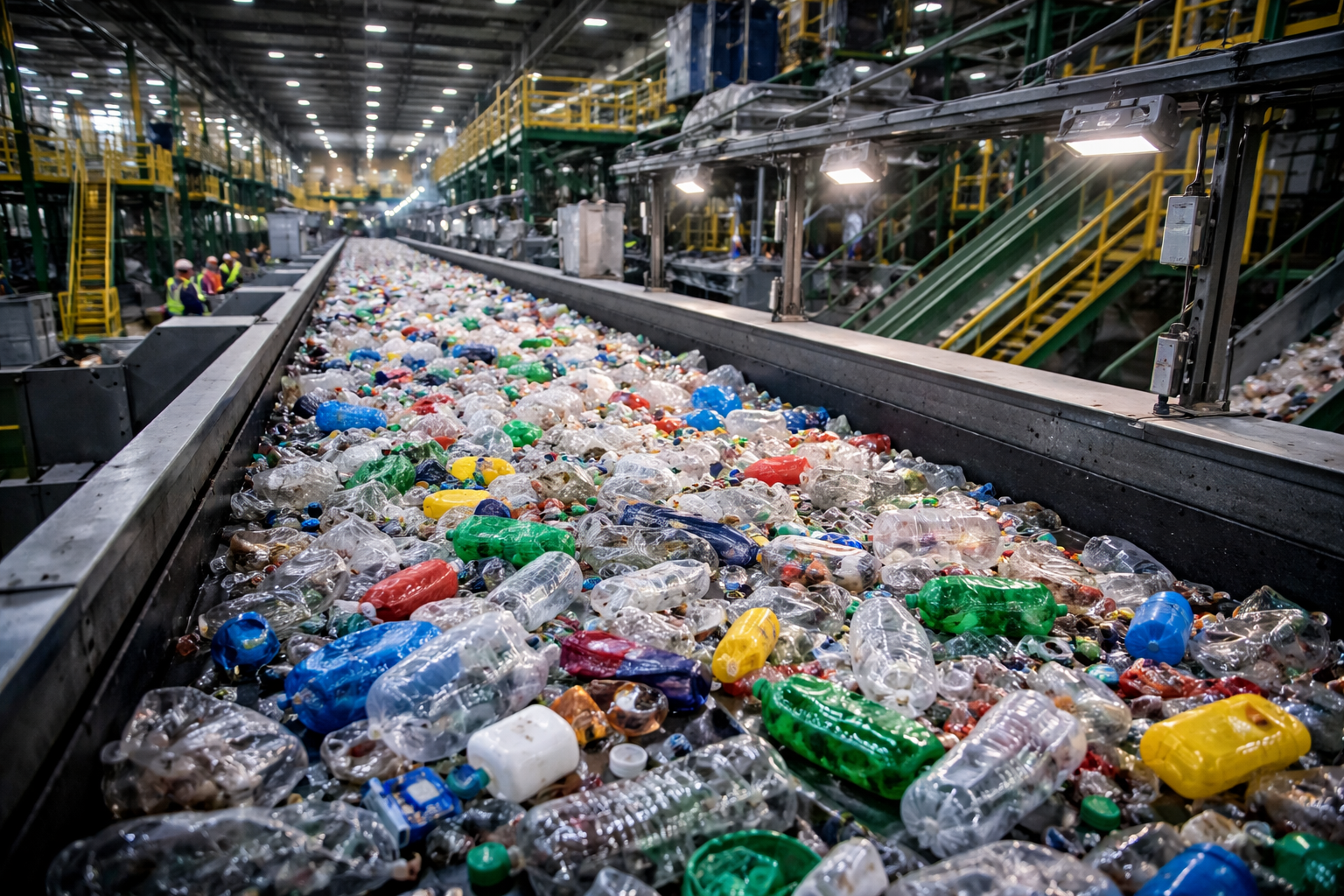
What Clarity Recover changes on the line.
Start with the material and operating decision that matter to your plant. Clarity Recover handles the sensing, analysis, and real-time classification needed to act on it.
Recover what optical sorting misses
Identify materials by composition when color, shape, and visible appearance are not enough.
Protect bale quality
Remove contaminants and separate target polymers with classifications matched to your output specification.
Measure the commercial impact
Connect recovery and purity changes to commodity value, avoided disposal, and the case for deployment.
When valuable material still leaves with the residue.
What gets in the way
Conventional systems often struggle with black plastics, films, multilayer materials, and visually ambiguous packaging, leaving recoverable value in residue or lowering output quality.
How Clarity Recover helps
Clarity Recover classifies material composition in real time and connects detections to line controls, giving teams a practical way to recover difficult fractions and verify the result.
See what conventional sensors miss
Use spectral information to separate materials that look similar in standard optical workflows.
Handle difficult packaging formats
Evaluate black plastics, films, flexible packaging, mixed polymers, and other hard-to-sort streams.
Prove the upgrade on your stream
Material tests return synchronized footage, purity and contamination changes, and a recovery model your team can review.
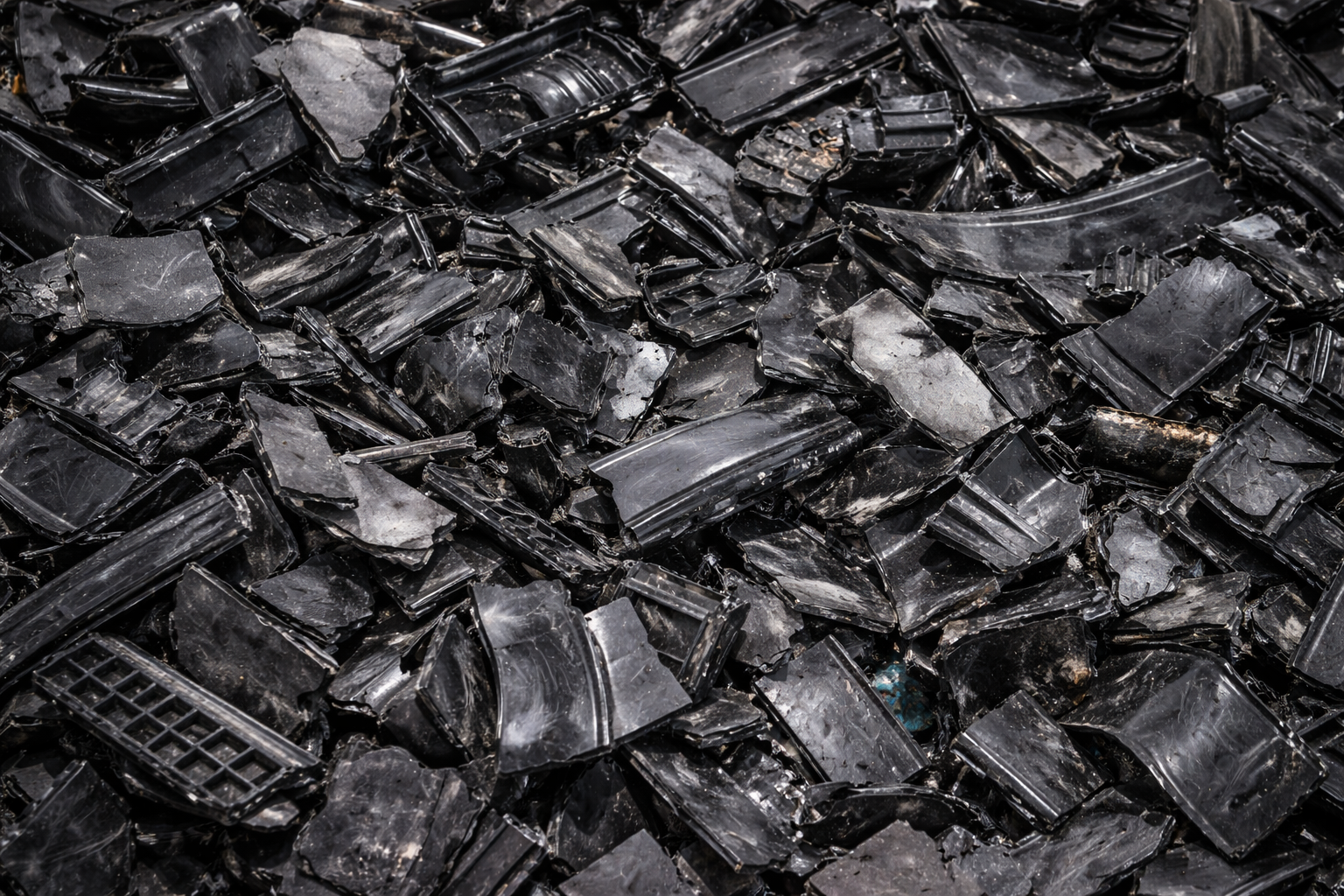
Test the actual stream and see what Clarity Recover identifies, what changes in the sorted output, and whether the additional recovery supports a pilot or deployment.
Start With Your MaterialSee it work on your material.
Define the target, test the real stream, and review whether the result supports a pilot or deployment.
STEP 1 — Define the Stream
Identify the line, residue fraction, or target commodity where additional recovery matters most.
STEP 2 — Run the Material Test
Scope the test around your material sample, throughput assumptions, and the output criteria your team uses.
STEP 3 — Review the Recovery Model
Use the measured results to evaluate whether additional recovery justifies further testing or deployment.
Questions teams ask before getting started
What materials can we evaluate first?
Teams usually start with the line, residue fraction, or packaging format where additional recovery or better bale quality matters most.
What does a material test deliver?
A package with synchronized detection footage, purity and contamination context, estimated value uplift, and a practical next-step recommendation.
How is success measured?
Success is defined around recovery improvement, output quality, and the commercial criteria your team already tracks.
Can this fit our current line?
Yes. The test is scoped around your material sample, throughput assumptions, and the sorting decision your operations team already uses.